2014–2019 · Reference answers
2014-01-09 — connection answers
All connection subparts from this paper, including the specified checks and source qualifications.
Independent teaching answer, not an official solution or marking scheme. Printed marks are retained. Read the source conditions beside each result.
Recognise the connection model
Units: 1 kN = 1,000 N; 1 m = 1,000 mm; 1 cm³ = 1,000 mm³; 1 cm⁴ = 10,000 mm⁴. A demand is the load effect; a resistance is what the member can carry. Compare matching units.
A splice transfers axial force through stages. A side-plate bracket creates in-plane torsion. An end-plate bracket creates bolt tension. Identify which picture applies before selecting a formula.
Double-channel connection [18 marks]
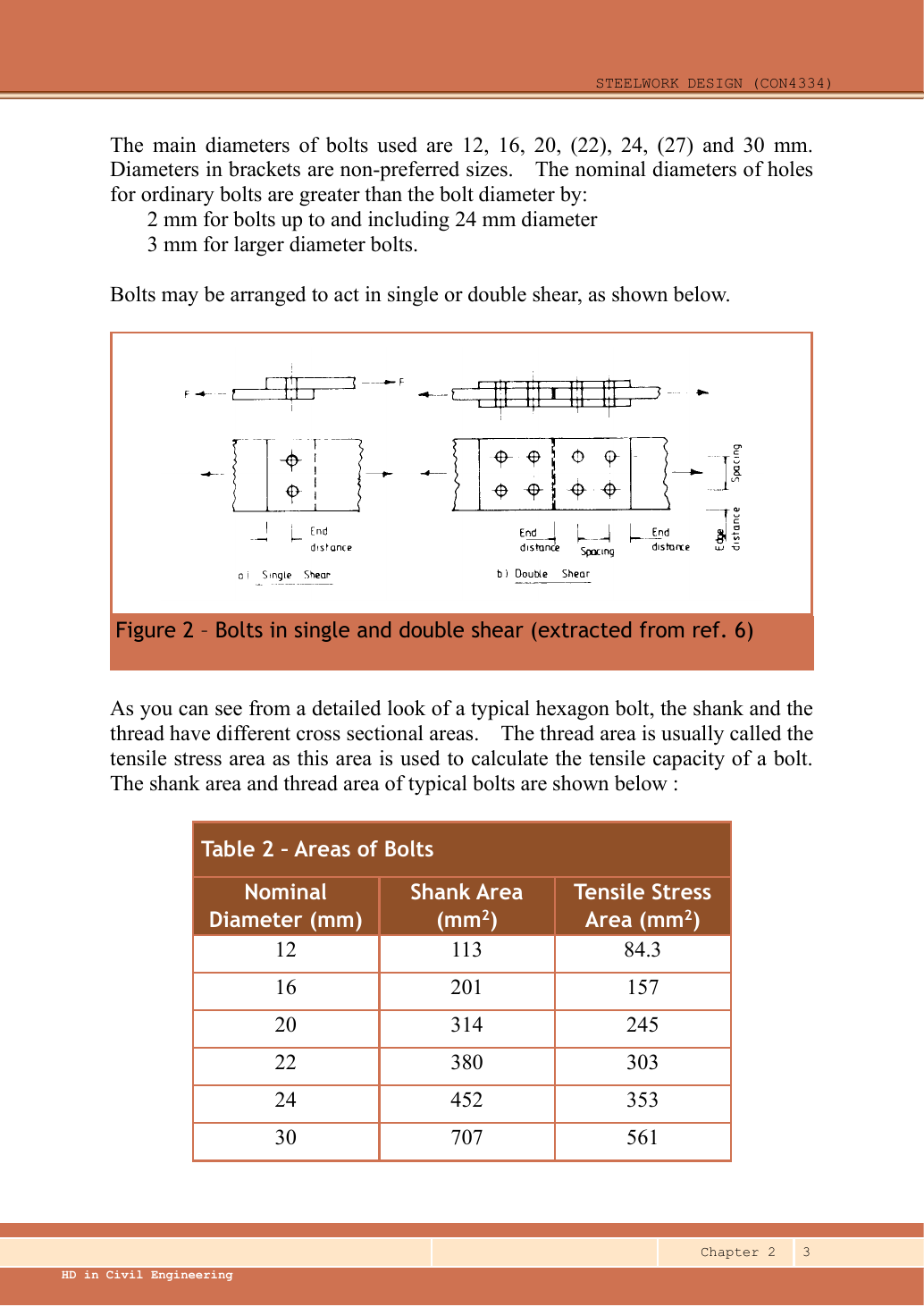
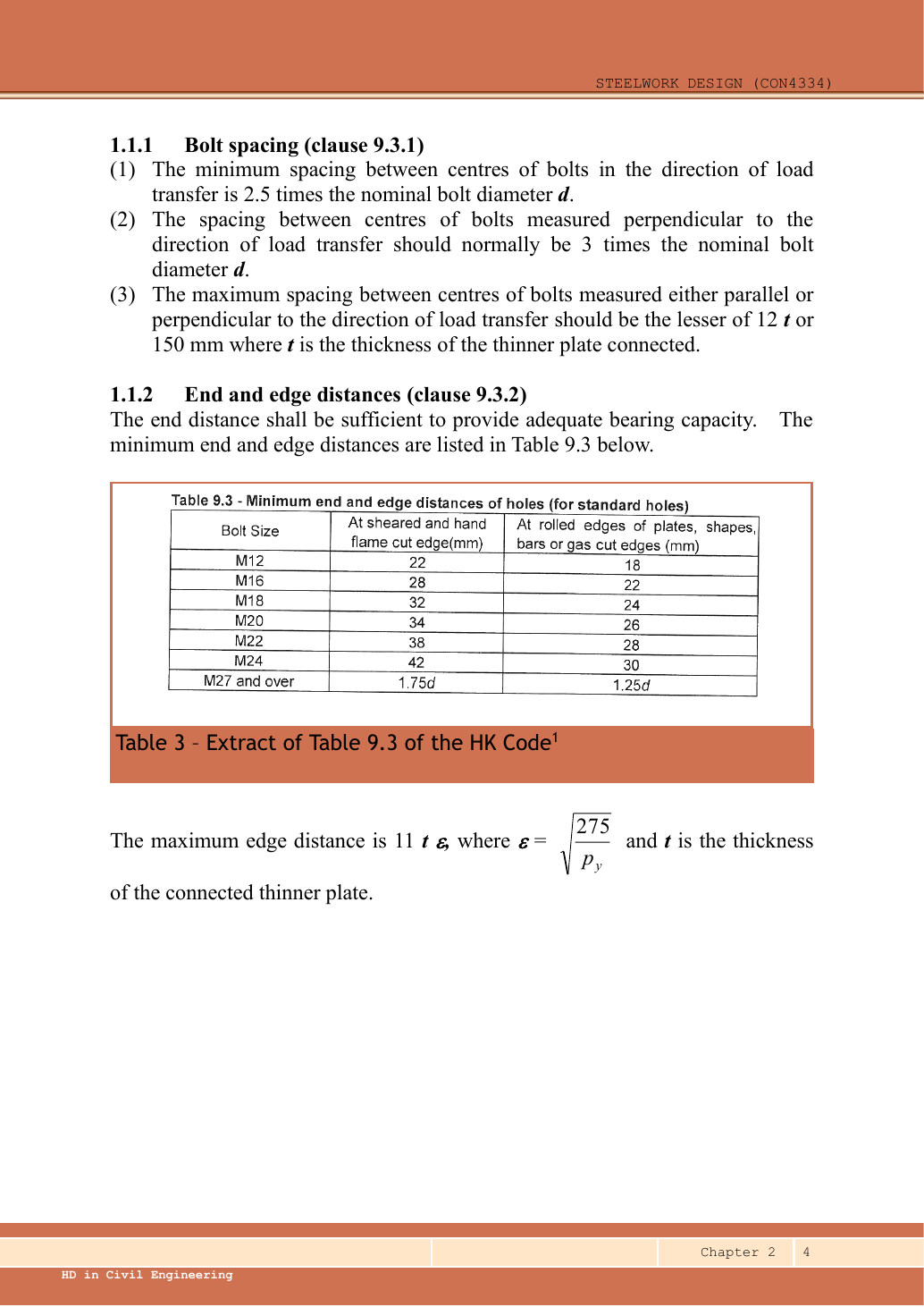
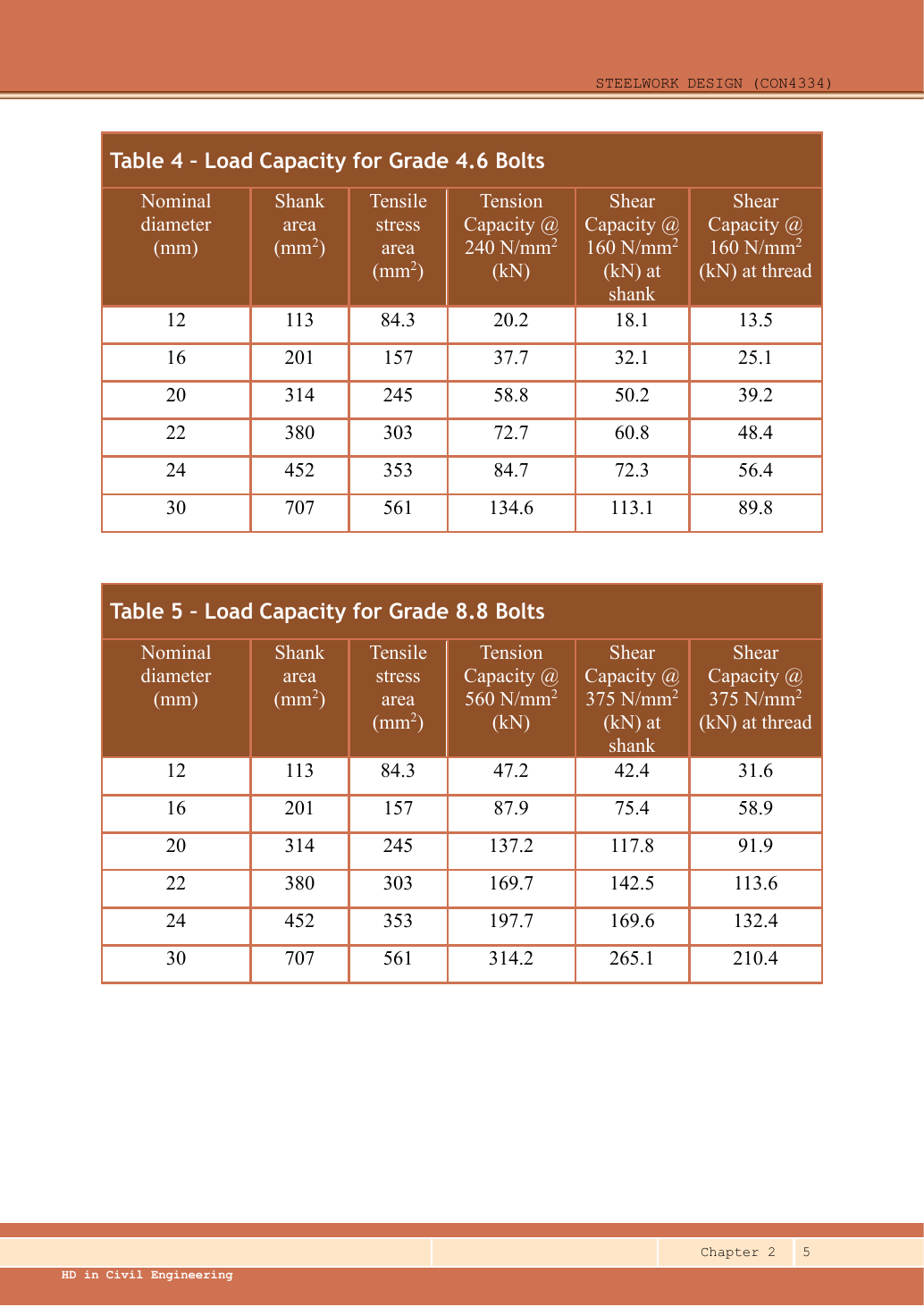
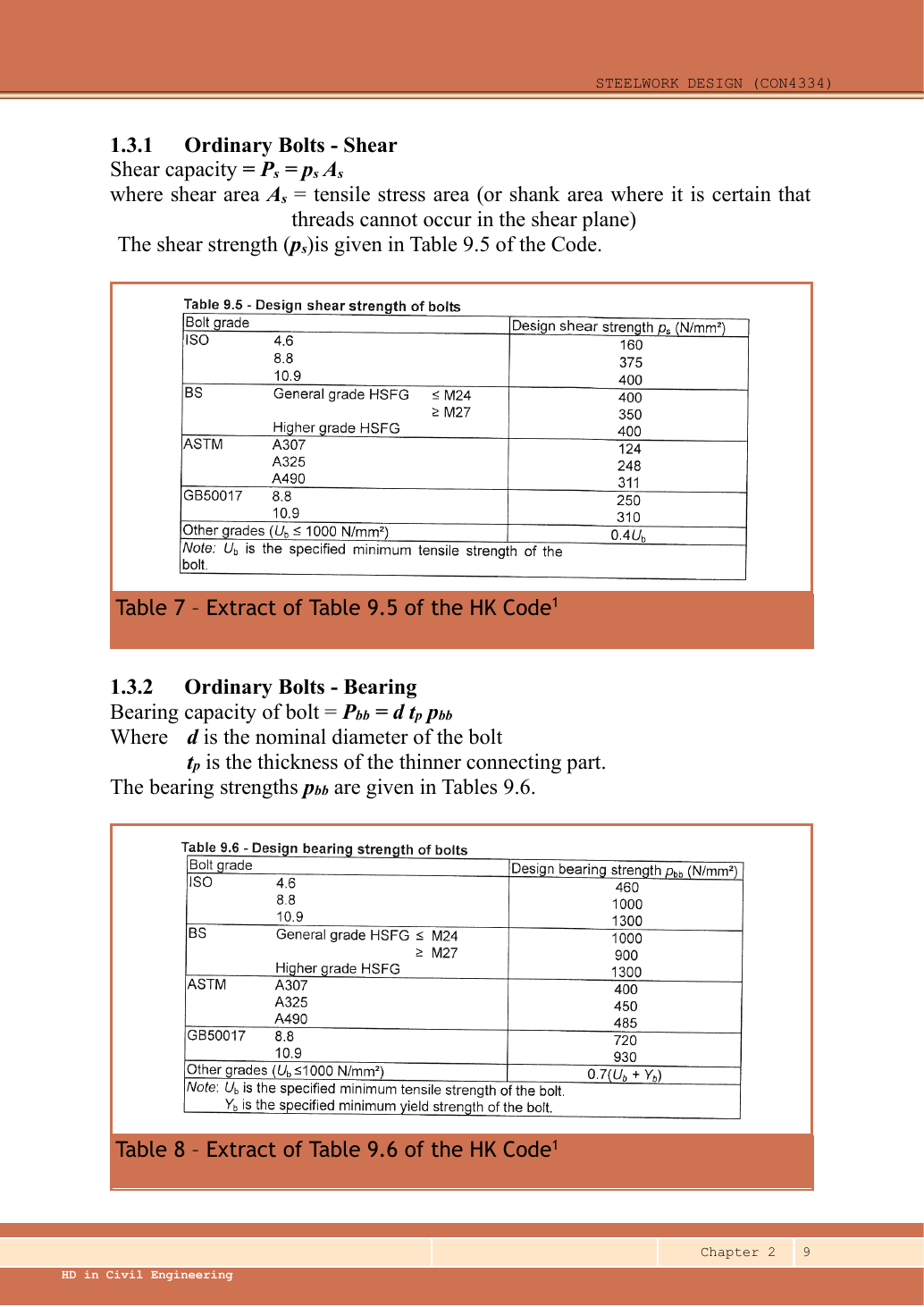
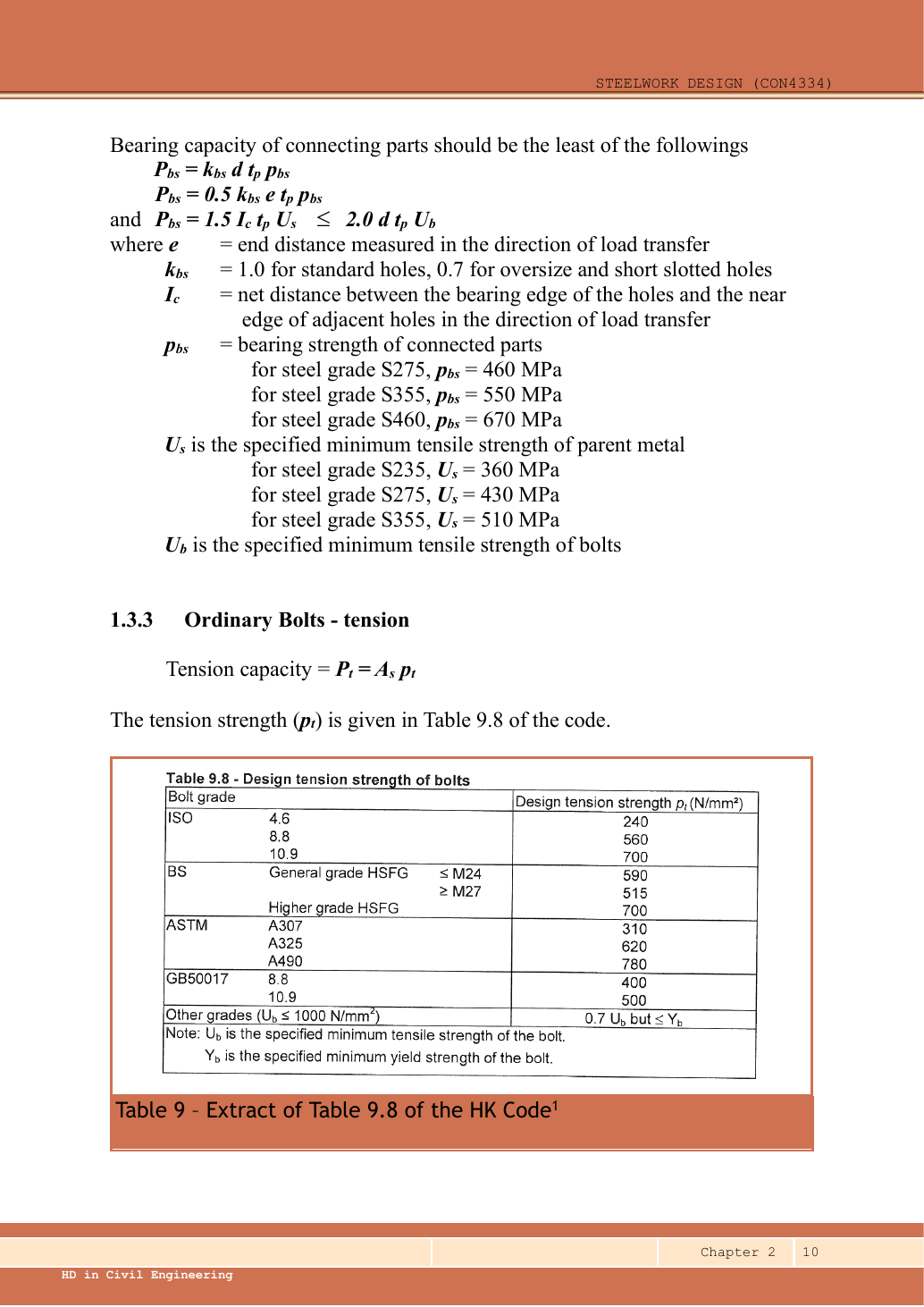
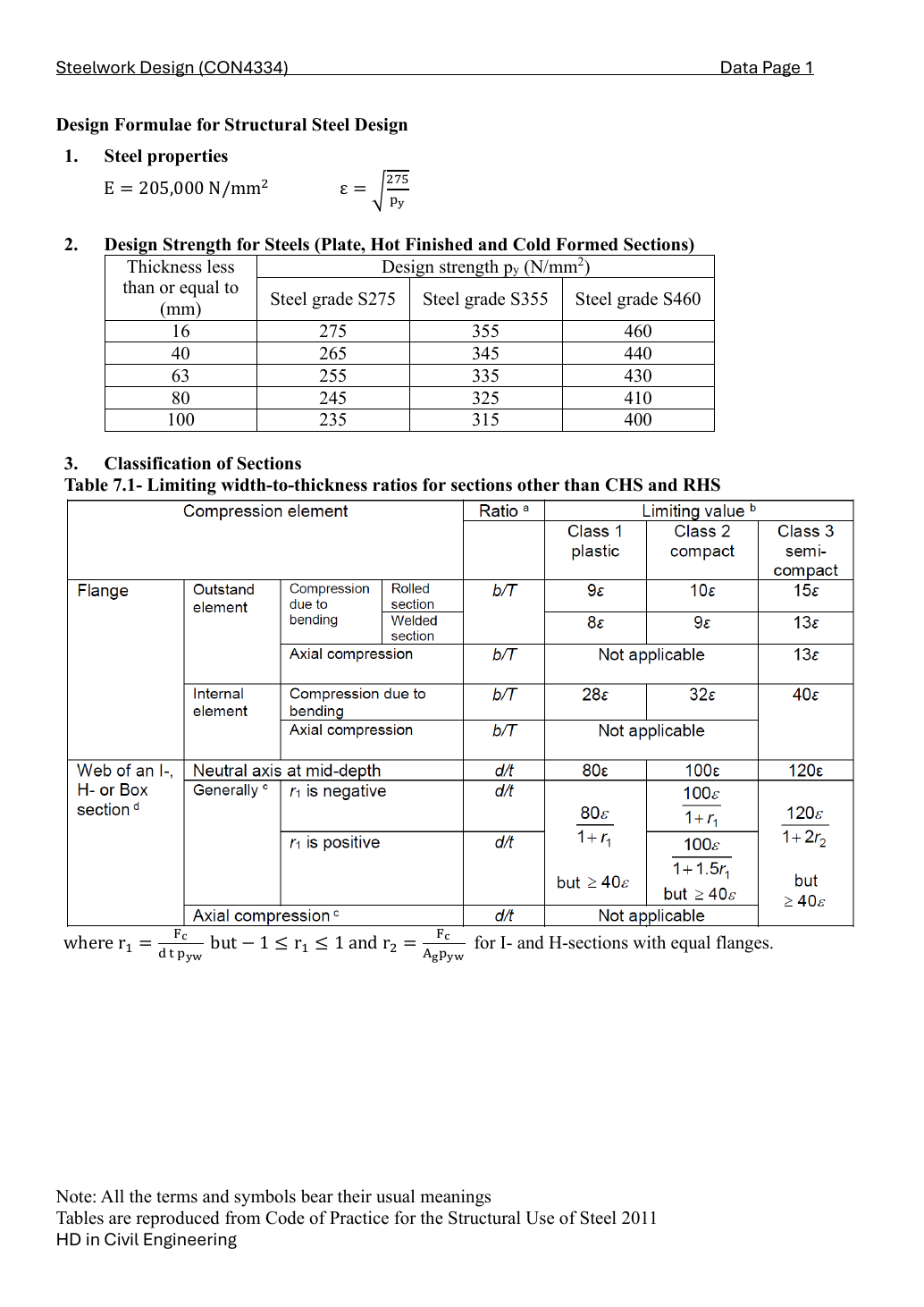
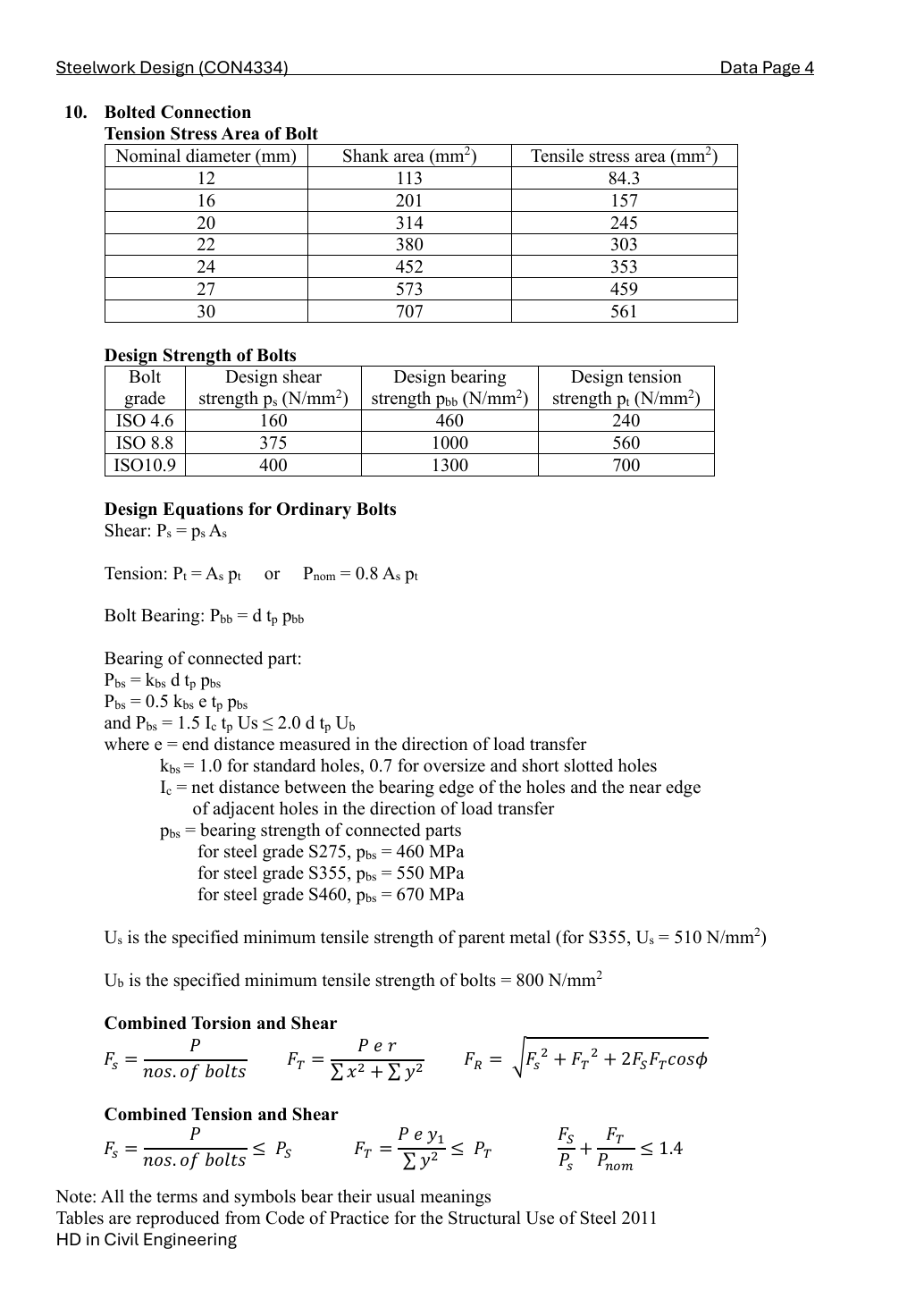
Grade 8.8: shear strength ps = 375, bolt bearing pbb = 1000, ultimate bolt strength Ub = 800 N/mm². S355 plate: pbs = 550, Us = 510 N/mm², Ke = 1.1. Use threaded stress area As for the conservative shear plane, nominal d for bearing, and hole diameter d0 for material removed.
The source gives two 178×89×26.81 kg/m channels, six M20 bolts, 22 mm holes, a 20 mm gusset, longitudinal pitch 60 mm and end distance 50 mm. The 48.9 + 80 + 48.9 transverse chain gives an exact drawn depth 177.8 mm. The channels are on opposite faces of the gusset, so each bolt has two shear planes. Gusset checking is explicitly excluded.
The supplied section tables contain UB, UC and angles, but no exact channel row for this designation. Web thickness tw, gross area Ag and the applicable flange-thickness strength band therefore cannot be read from these materials. Do not invent them from a visually similar channel or from the drawing scale. Complete all remaining checks symbolically as follows.
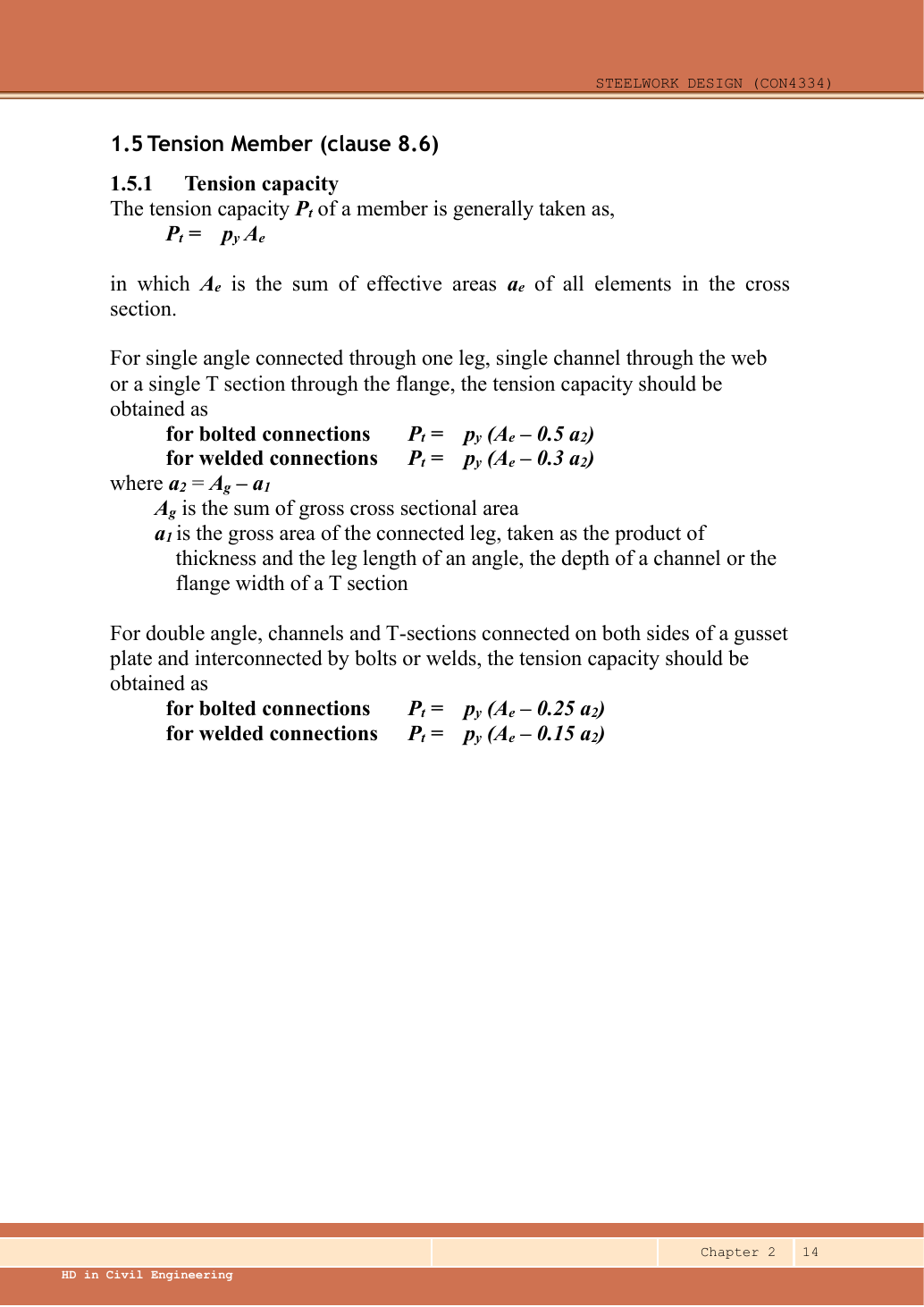
For one channel the connected gross web area is a1 = 177.8tw. The outstanding area is a2 = Ag−a1. Apply Ke to the net connected element, capped by its gross area; the unperforated outstanding elements retain gross area. The double-channel bolted reduction is 0.25a2 for each channel.
Bolt shear passes. The statement “show adequate” cannot establish the missing section properties. The connection is adequate in the requested modes only if the bolt-bearing, channel-bearing and channel-tension inequalities above all pass with the exact lookup row.
Compact exam answer — key result lines
Bolt shear passes. The statement “show adequate” cannot establish the missing section properties. The connection is adequate in the requested modes only if the bolt-bearing, channel-bearing and channel-tension inequalities above all pass with the exact lookup row.
Eccentric weld size [12 marks]
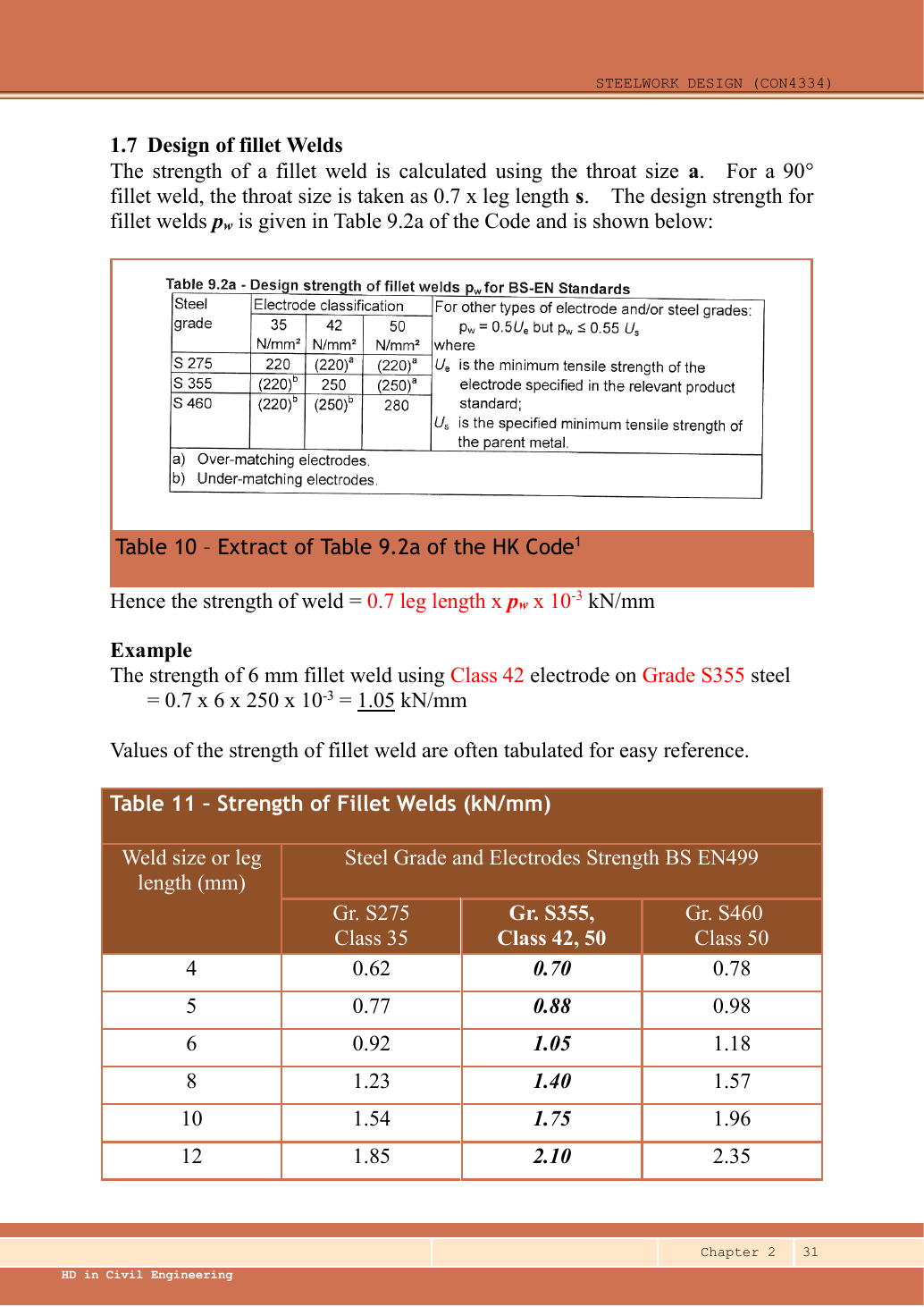
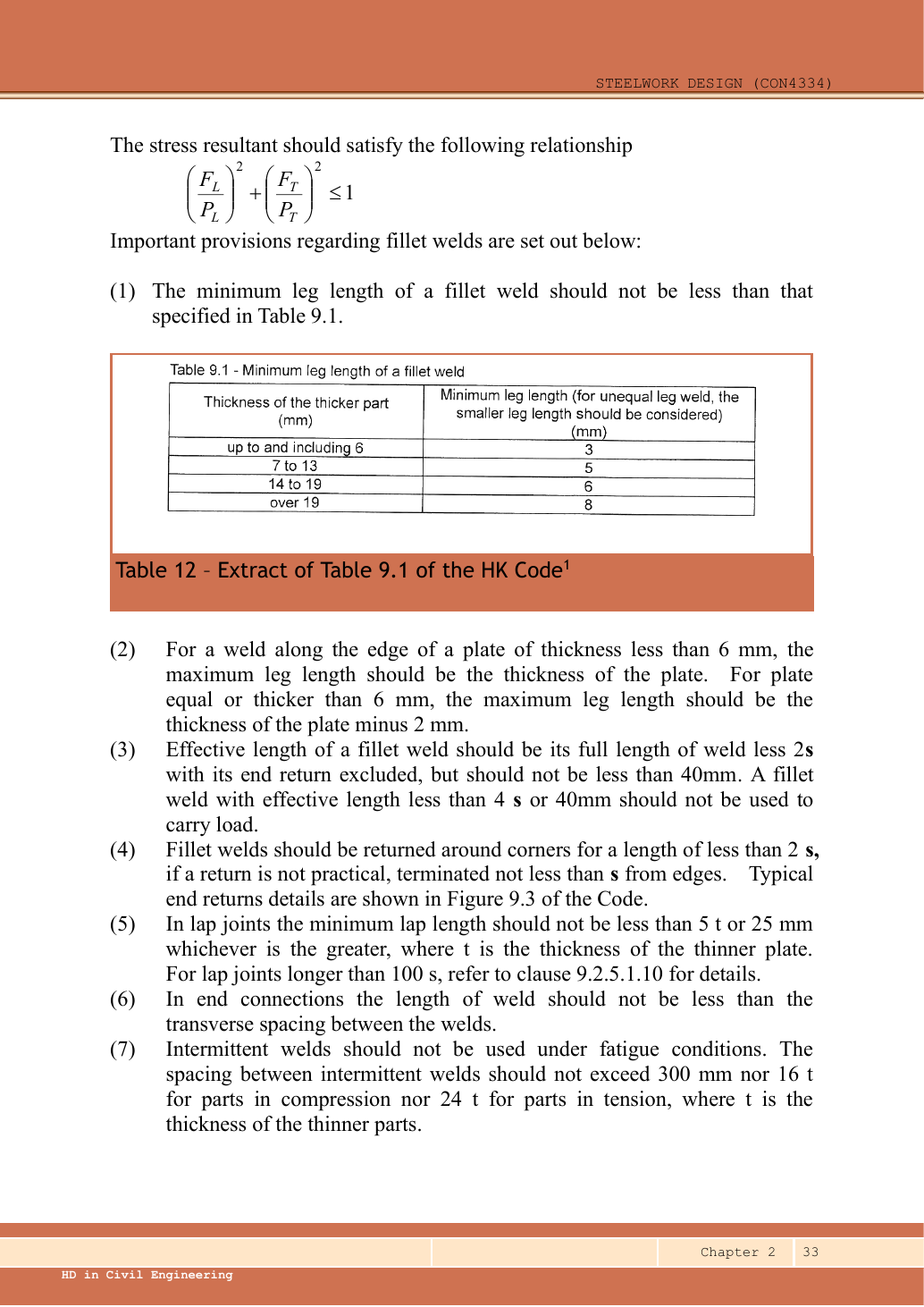
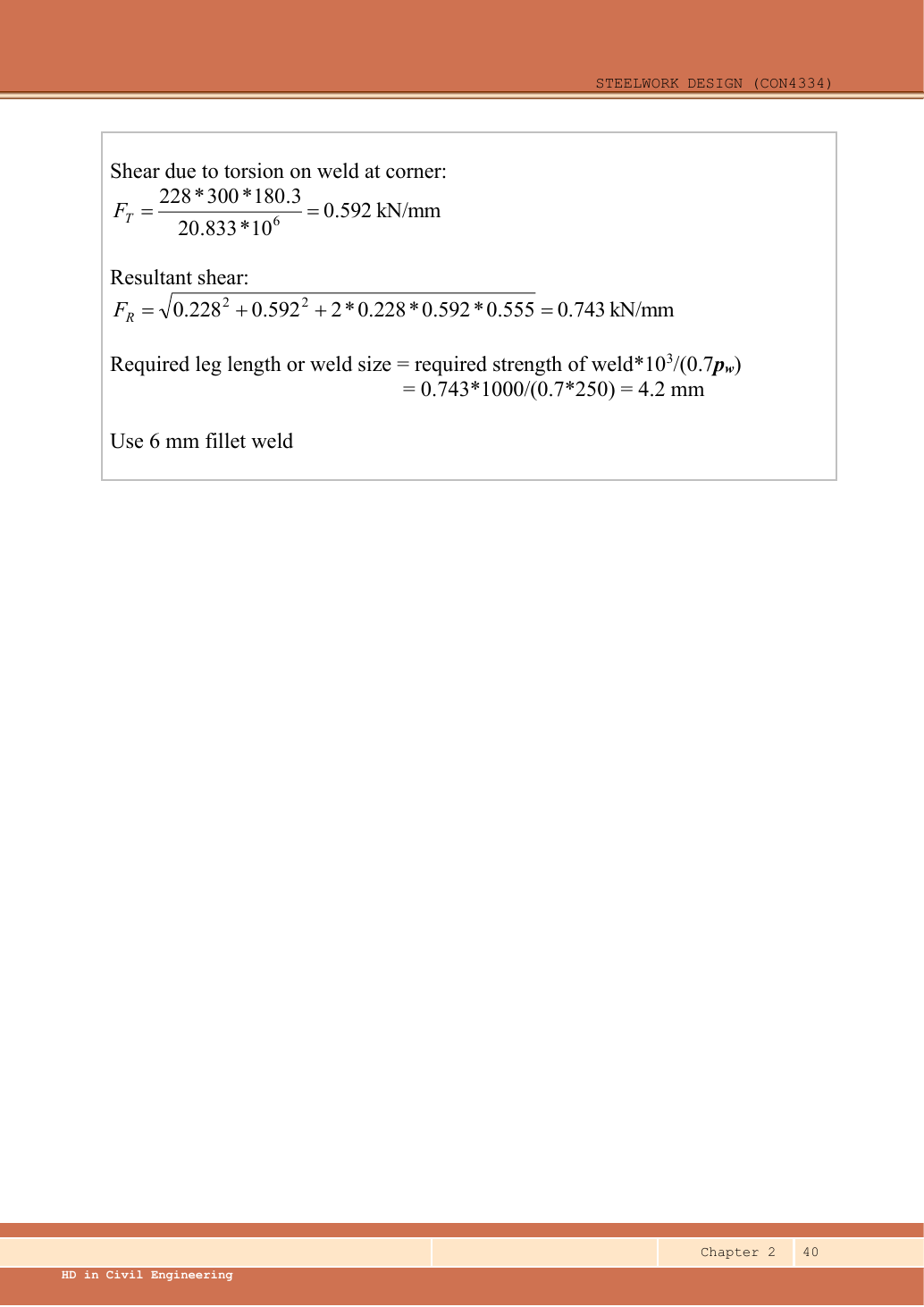
The original rectangle is 120 mm wide and 160 mm high. Two equally loaded side plates share the 400 kN total. The load lies 130 mm beyond the rectangle edge: centroid eccentricity = 130 + 120/2 = 190 mm.
Model the continuous effective weld centreline. Its line inertia has units mm³, because integration is over length rather than plate area. At the critical corner, direct vertical shear adds to the vertical torsional component. Horizontal and vertical components combine by Pythagoras.
Compact exam answer — key result lines
Model the continuous effective weld centreline. Its line inertia has units mm³, because integration is over length rather than plate area. At the critical corner, direct vertical shear adds to the vertical torsional component. Horizontal and vertical components combine by Pythagoras.
Reusable procedure and common errors
- Draw the load-transfer stages. Count bolts and shear planes for one stage, then compare all failure modes.
- Resolve eccentric forces as vectors. Never add perpendicular components arithmetically.
- Use effective weld length and check size limits after strength; “strong enough” does not fix an impossible detail.
Independent practice — invented variant
Invented variant: all applied loads are 10% larger but geometry is unchanged. What scales, and what does not?
Hint
Isolate one load-transfer stage, then distinguish demand from fixed resistance.
Reveal answer
For these linear elastic models, bolt forces and weld force per unit length rise 10%; required strength-only weld throat also rises 10%. Bolt areas, section capacities, effective lengths of already specified welds and detailing limits stay unchanged. Recheck every utilisation.